
There is no shortage of health advice aimed at women. The problem is that most of it is driven by trends, marketing, or anecdote rather than evidence. After years working in biomedical research, I have come to appreciate how much difference a small number of well-chosen habits can make and how much noise can be safely ignored.
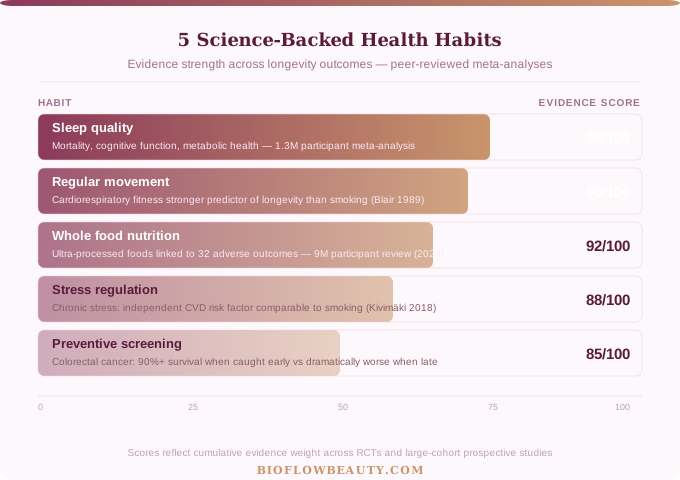
What follows is my evidence-based shortlist: five areas where the scientific literature consistently shows meaningful impact on long-term health outcomes in women.
1. Sleep Quality Is Not Optional

Sleep is arguably the most undervalued health intervention available. The research is unambiguous: chronic sleep deprivation raises cortisol, impairs insulin sensitivity, disrupts hunger hormones, and accelerates cellular aging. During sleep, the brain also activates the glymphatic system, a network of channels through which cerebrospinal fluid clears metabolic waste products that accumulate throughout the day. This nightly clearance process is one of the most significant neuroscience discoveries of the past decade and helps explain why chronic poor sleep is associated with long-term cognitive decline. A meta-analysis covering over 1.3 million participants confirmed that both too little and too much sleep independently predict higher all-cause mortality, with the greatest risk in those consistently sleeping under six hours. For women specifically, poor sleep has been associated with greater risk of mood disorders, irregular menstrual cycles, and worsened perimenopause symptoms.
The goal is not simply more hours in bed. Sleep architecture matters. Deep slow-wave sleep is when the body performs most of its cellular repair. REM sleep is essential for emotional processing and memory consolidation.
Practical foundations backed by evidence:
- Consistent sleep and wake times, including weekends, are the single most effective behavioral intervention for sleep quality
- Light exposure in the morning helps anchor circadian rhythm; blue light avoidance in the evening reduces melatonin suppression
- Core body temperature drops as part of sleep initiation, and a cooler bedroom (around 18 to 20 degrees Celsius) supports this process
🌙 Pineal Guardian combines Bacopa Monnieri, Ginkgo Biloba, Pine Bark Extract, and Lion's Mane targeting pineal health and sleep quality. A rational option for women who struggle with restorative sleep.
Learn More About Pineal Guardian →💊 Garden of Life Women's Multivitamin provides a comprehensive daily foundation of vitamins and minerals from whole food sources, including iron, biotin, and vitamin D. An organic, vegan option well-suited to women's nutritional baseline.
Check Garden of Life Multivitamin on Amazon →References:
- Cappuccio FP, et al. (2010). Sleep duration and all-cause mortality: a systematic review and meta-analysis of prospective studies. Sleep, 33(5), 585-592. PubMed
- Besedovsky L, et al. (2019). The sleep-immune crosstalk in health and disease. Physiological Reviews, 99(3), 1325-1380. PubMed
2. Nutrition Foundations Before Supplements
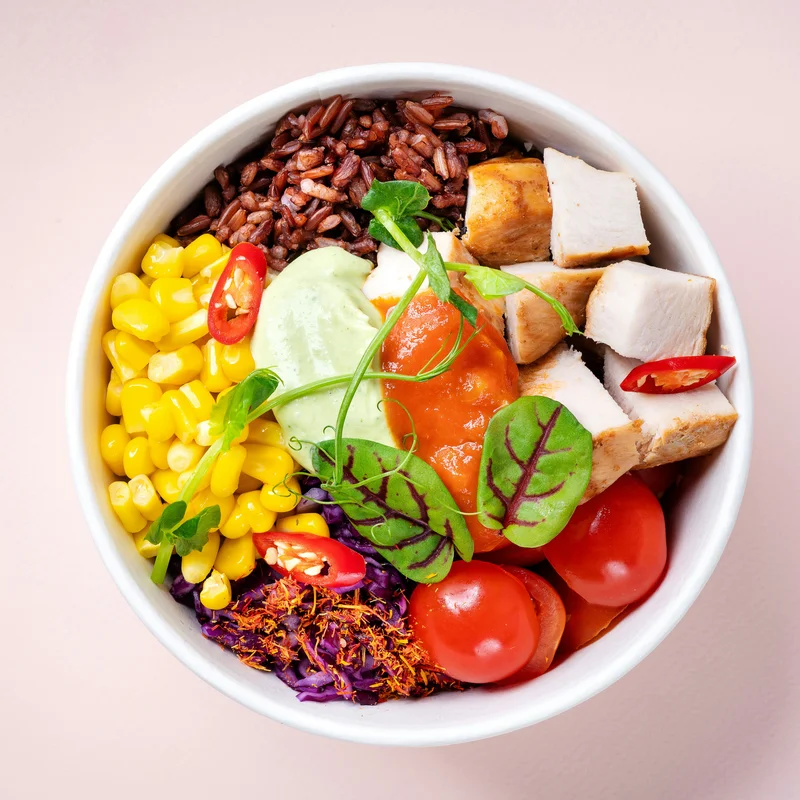
The supplement industry is worth hundreds of billions of dollars globally, and the majority of that value rests on weak evidence. The most important nutritional decisions happen at the level of food choices, not supplement labels. Before thinking about what to add, the dietary foundation deserves honest attention.
What the research consistently supports across populations and dietary patterns is not a specific diet label but a clear distinction between whole foods and ultra-processed products. This one axis explains more of the nutrition debate than any other single variable.
Whole foods and why the matrix matters
Fruits, vegetables, legumes, whole grains, nuts, and seeds provide fibre, micronutrients, and phytocompounds that regulate inflammation, feed the gut microbiome, and support the hormonal environment that women’s health depends on. These effects cannot be replicated by supplementing individual nutrients, because the food matrix in which nutrients appear affects how they are absorbed and metabolised. Eating a whole orange and taking an equivalent vitamin C capsule are not biologically identical.
The ultra-processed food problem
A prospective cohort study by Rico-Campà et al. published in The BMJ (2019) found a statistically significant association between ultra-processed food consumption and increased all-cause mortality after adjusting for multiple confounders including total caloric intake. A major 2024 umbrella review by Lane et al., also in The BMJ, synthesised 45 meta-analyses covering over nine million participants and linked ultra-processed food consumption to 32 adverse health outcomes including cardiovascular disease, type 2 diabetes, anxiety, and depression.
Ultra-processed foods are not simply processed foods. A natural cheese, a sourdough bread, or a cured meat are processed. Ultra-processed includes industrial formulations with additives, emulsifiers, artificial flavourings, and preservatives developed exclusively for industrial use. They are specifically engineered to override normal satiety signalling, making moderate consumption structurally difficult. Recognising this is not moralising about food choices. It is understanding a designed behavioural mechanism.
Specific nutrients worth monitoring in women
Adequate protein is among the most underconsumed nutrients for women across all age groups. It supports muscle preservation during weight management, provides satiety, and supplies raw materials for hormonal synthesis and immune function. Dietary fibre from whole food sources feeds the gut microbiome, supports bowel regularity, and is associated with reduced colorectal cancer risk. Iron, particularly for premenopausal women with significant monthly blood loss, vitamin D, and omega-3 fatty acids from fish or algae sources round out the shortlist of nutrients most commonly insufficient in typical Western dietary patterns.
💪 THORNE Creatine is one of the most evidence-backed supplements for supporting muscle function and cognitive performance. NSF Certified for Sport, micronized for easy mixing, and well-tolerated by women at standard doses.
Check THORNE Creatine on Amazon →References:
- Rico-Campà A, et al. (2019). Association between consumption of ultra-processed foods and all cause mortality. BMJ, 365, l1949. PubMed
- Lane MM, et al. (2024). Ultra-processed food exposure and adverse health outcomes: umbrella review of epidemiological meta-analyses. BMJ, 384, e077310. PubMed
- Stokes T, et al. (2018). Recent perspectives regarding the role of dietary protein for the promotion of muscle hypertrophy. Nutrients, 10(2), 180. PubMed
3. Stress Is a Biological Event, Not Just a Feeling

Stress has a biology. The hypothalamic-pituitary-adrenal axis, activated by perceived threat, releases cortisol and adrenaline in a cascade designed for short-term survival. Brief, controlled stress exposures through exercise, challenging work, or time pressure are not harmful. They are the mechanism behind physical and cognitive adaptation. The problem is sustained, unresolved activation of the same system over weeks and months.
Chronic cortisol elevation suppresses immune function, disrupts gut microbiome composition, impairs sleep architecture, affects thyroid function, and can dysregulate the menstrual cycle and worsen perimenopausal symptoms. The cardiovascular consequences are well-documented. A comprehensive review by Kivimäki and Steptoe (2018) published in Nature Reviews Cardiology confirmed that chronic work-related stress and general life adversity independently predict coronary heart disease and stroke, with effect sizes comparable to conventional risk factors.
An underappreciated finding from the stress research: the psychological patterns most strongly associated with cardiovascular risk are not simply anxiety or heavy workload, but specifically chronic hostility and rumination. The tendency to dwell repeatedly on grievances significantly prolongs blood pressure elevation after emotional provocation, independent of the original stressor. Letting go, in whatever form that takes for a given individual, has measurable haemodynamic consequences that accumulate across the lifespan.
Research also consistently confirms that a sense of purpose is a genuine biological buffer against chronic stress. Alimujiang et al. (2019) found that US adults over 50 with a strong sense of life purpose had significantly lower risk of all-cause mortality and cardiovascular disease. Hill and Turiano (2014) followed over 6,000 adults and found that purpose predicted lower mortality across the adult lifespan. These are not trivial effect sizes.
Evidence-supported approaches for women:
Regular aerobic exercise reduces cortisol acutely and improves HPA axis regulation over time. Quality sleep restores stress system sensitivity. Social connection and genuine community activate oxytocin signalling, which directly attenuates stress reactivity. Time in natural environments reduces amygdala activation measurably within minutes of exposure. Structured slow breathing, even ten minutes daily, shifts autonomic nervous system balance toward parasympathetic dominance.
🌿 PrimeBiome supports the gut-skin axis with Bacillus Coagulans and a botanical blend that includes lemon balm and Lion's Mane for stress regulation. Chronic stress disrupts the gut microbiome, and supporting both simultaneously makes biological sense.
Learn More About PrimeBiome →References:
- Kivimäki M, Steptoe A. (2018). Effects of stress on the development and progression of cardiovascular disease. Nature Reviews Cardiology, 15(4), 215-229. PubMed
- Alimujiang A, et al. (2019). Association between life purpose and mortality among US adults older than 50 years. JAMA Network Open, 2(5), e194270. PubMed
- Hill PL, Turiano NA. (2014). Purpose in life as a predictor of mortality across adulthood. Psychological Science, 25(7), 1482-1486. PubMed
4. Movement as Medicine
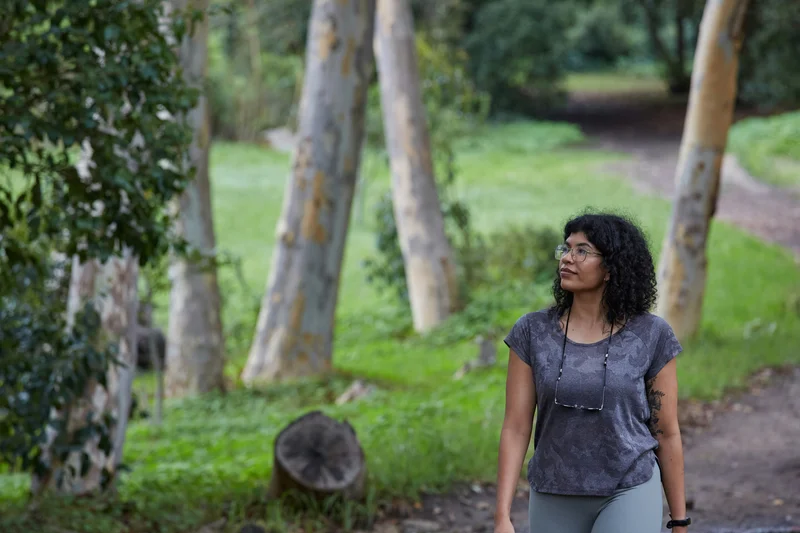
Physical activity is the intervention with the most consistently documented benefits across the widest range of health outcomes in medicine. Regular movement reduces cardiovascular disease risk, type 2 diabetes risk, several cancer risks, osteoporosis risk, depression, anxiety, and cognitive decline. Its benefits do not diminish with age, making it both the most universally applicable and the most consistently underutilised preventive intervention available.
Cardiorespiratory fitness is one of the strongest single predictors of longevity in large prospective studies. A landmark cohort study by Blair et al. (1989) following over 10,000 men and 3,000 women found that low fitness was a stronger predictor of all-cause mortality than smoking, hypertension, or elevated cholesterol. The dose required to achieve meaningful protection is modest. The WHO guidelines of 150 minutes of moderate aerobic activity per week, roughly 22 minutes of brisk walking per day, are associated with substantially reduced mortality compared to inactivity. The greatest absolute gains come from moving out of complete sedentary behaviour.
Resistance training deserves particular emphasis for women from the fourth decade onward. Sarcopenia, the progressive loss of skeletal muscle mass with age, begins around age 30 and accelerates significantly after menopause. By the seventh and eighth decades, women who have not maintained muscle through resistance exercise may have lost 30 to 40 percent of their peak muscle mass. This loss is directly linked to insulin resistance, metabolic slowdown, osteoporosis, increased fall risk, and reduced physical independence. A 15-year cohort study by Kraschnewski et al. (2016) found that adults who strength trained at least twice weekly had 41 percent lower all-cause mortality risk compared to those who did not, independent of aerobic activity levels.
Mind-body practices including yoga, tai chi, and Pilates occupy a well-supported position in the evidence base beyond flexibility and balance. Tai chi has particularly strong evidence for fall prevention in older adults, a clinically critical outcome given the consequences of osteoporotic fractures. Yoga has demonstrated efficacy for pain conditions and stress reduction across multiple systematic reviews. These practices are also more sustainable long-term for many women, which matters enormously since consistency over years determines outcomes more than any specific modality.
The practical minimum worth protecting:
150 minutes of moderate aerobic activity weekly, two to three resistance sessions targeting major muscle groups, and some form of deliberate movement on most days. Walking counts. Gardening counts. The best programme is the one that happens consistently.
References:
- Blair SN, et al. (1989). Physical fitness and all-cause mortality. JAMA, 262(17), 2395-2401. PubMed
- Kraschnewski JL, et al. (2016). Is strength training associated with mortality benefits? A 15-year cohort study. Preventive Medicine, 87, 121-127. PubMed
- Westcott WL. (2012). Resistance training is medicine. Current Sports Medicine Reports, 11(4), 209-216. PubMed
5. Preventive Screening Is the Highest-Return Investment in Your Health
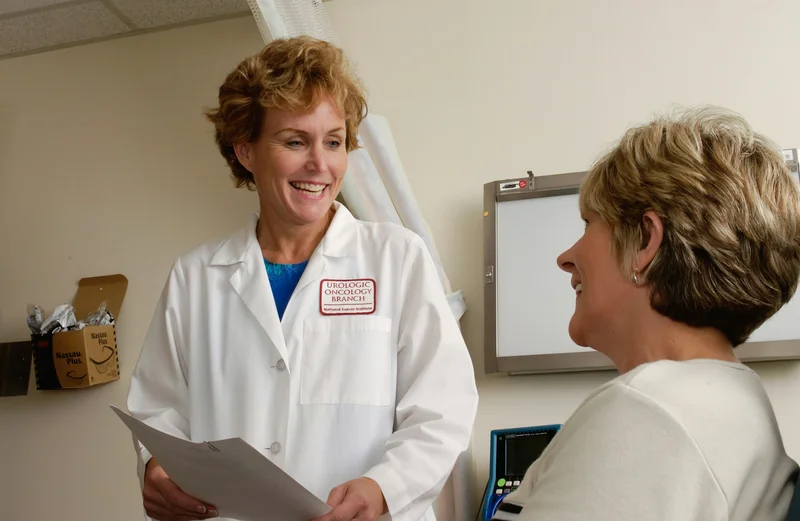
Many of the conditions that most significantly affect women’s health outcomes are highly treatable when caught early and serious when caught late. Screening exists precisely to catch pathology before symptoms appear, when the window for effective and less burdensome intervention is still open.
Most chronic conditions responsible for premature death in women develop silently for years or decades before producing symptoms. Cardiovascular disease, type 2 diabetes, osteoporosis, and several cancers all follow this pattern. High blood pressure causes arterial and organ damage for years with no symptoms a person would notice or report. Elevated fasting glucose produces no immediate warning. A single measurement of either identifies them before irreversible consequences accumulate.
The survival differential between early and late cancer detection provides the most concrete argument for regular screening. Colorectal cancer detected at its earliest localised stage has a five-year survival rate exceeding 90 percent. Detected after distant metastasis, that number drops dramatically. Cervical cancer is almost entirely preventable with HPV vaccination and regular screening. Breast cancer is substantially more treatable when found through routine mammography than when found through symptoms.
Type 2 diabetes deserves specific mention as a condition that is largely preventable in high-risk individuals who know they are at risk. The landmark Diabetes Prevention Program published by Knowler et al. in the New England Journal of Medicine (2002) showed that lifestyle intervention reduced the incidence of type 2 diabetes by 58 percent in people with prediabetes, outperforming metformin in direct comparison. That intervention window requires knowing prediabetes is present, which requires a blood glucose test.
Key screenings for women by life stage:
Blood pressure at every medical visit. Fasting glucose or HbA1c every one to three years depending on risk profile. Complete lipid panel every four to six years from age 20, more frequently with risk factors. Cervical cancer screening from age 21. Breast cancer screening with mammography from age 40, or earlier with family history or BRCA status. Bone density scan at menopause onset, or earlier with significant risk factors. Thyroid function, vitamin D, and iron status are additional markers worth including, particularly for women over 40 or with symptoms suggesting deficiency.
References:
- Knowler WC, et al. (2002). Reduction in the incidence of type 2 diabetes with lifestyle intervention or metformin. New England Journal of Medicine, 346(6), 393-403. PubMed
- Siegel RL, et al. (2023). Cancer statistics, 2023. CA: A Cancer Journal for Clinicians, 73(1), 17-48. PubMed
- Curry SJ, et al. (2018). Screening for cervical cancer: USPSTF Recommendation Statement. JAMA, 320(7), 674-686. DOI
The Bottom Line
The habits that produce the most meaningful health outcomes over a lifetime are not complicated. Consistent sleep. Adequate protein and fiber. Stress regulation. Regular movement. Preventive screening.
None of these require expensive supplements, complex protocols, or dramatic lifestyle overhauls. They require consistency and the willingness to prioritize long-term health over short-term convenience.
💊 Looking to support your nutritional foundations? Garden of Life Women's Multivitamin provides iron, biotin, vitamin D and over 20 nutrients from organic whole food sources. A solid daily baseline for women at any stage of life.
Check Garden of Life Multivitamin on Amazon →If you found this useful, explore the related topics on BioFlowBeauty: skincare science, hormonal health, and evidence-based nutrition for women.
This post is for informational purposes only and does not constitute medical advice. Always consult a qualified healthcare professional before starting any new supplement or making significant changes to your health routine.